A General Plan is a state-required document that outlines a California city's vision for growth, development, conservation and other matters over the coming decades. In Watsonville, that document is the General Plan 2050, which the city describes as a guide for future growth aligned with the community's heritage, vision, values and needs. The update kicked off in early 2023 and is tentatively scheduled for public hearings in February 2027, meaning residents still have formal opportunities to weigh in before the plan is adopted.
The Watsonville General Plan 2050: A Case Study in Development
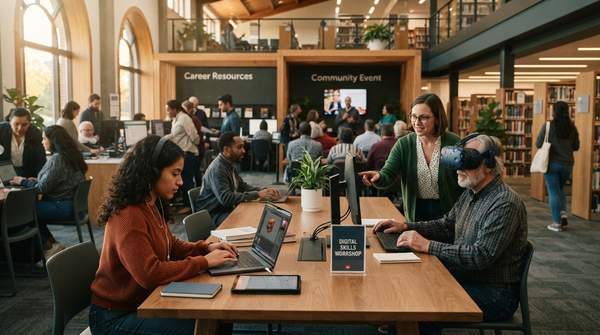
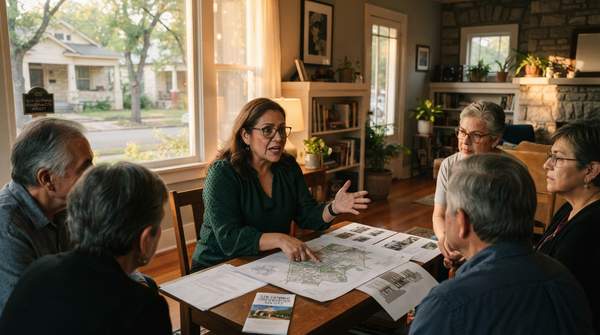
General plans are not created overnight. Watsonville Mayor Kristal Salcido, writing in the Santa Cruz Sentinel, described the update as the result of an extensive community engagement process that gave residents, businesses, community organizations and other stakeholders numerous opportunities to share their hopes and concerns as the plan took shape. The city conducted meetings, workshops, pop-up events and outreach activities throughout the process to encourage broad and meaningful participation.
What does the plan actually govern? The Santa Cruz Sentinel's coverage of the city's October 2026 draft open house describes the General Plan 2050 as a document intended to outline Watsonville's vision for growth, development, conservation and other matters over the next 24 years. At the open house, attendees could visit seven stations representing different topics of the plan, ranging from the vision and growth to mobility, parks and conservation, and hear a brief presentation on the plan's goals.
That station-by-station structure is a useful window into how a General Plan is organized. Rather than a single manifesto, it is a set of topic-specific components — often called elements — covering distinct areas of city life, from where new homes and businesses should go to how people move around and which lands are preserved. Watsonville's draft touches on housing, airport land use, conservation, noise and safety among its topics, according to the Sentinel's reporting on the open house. Each element carries policies that guide city decision-makers when individual projects come forward, which is why the plan functions as a long-term blueprint rather than a one-time announcement.
One clarification matters for readers tracking Watsonville's documents: the city's 2023–2031 Housing Element was certified separately, and the housing policies now being shaped within the General Plan 2050 update are part of this broader, longer-horizon document. The 2050 plan looks past that shorter housing cycle toward the next quarter-century of growth.
The update process also carries environmental obligations. Watsonville's Community Development Department circulated a Notice of Preparation for an Environmental Impact Report on the plan, with interim Community Development Director Justin Meek listed as the city contact and the consulting firm Circlepoint, represented by project manager Marco Mendoza, supporting the environmental review. That review is itself a public process: the notice-and-comment periods gave members of the public a formal channel to shape the scope of the analysis before the draft plan was finalized.
Two boundaries are worth stating plainly. This article explains the general process and components of a General Plan using Watsonville as a specific example; it is not a legal guide. And it does not analyze or critique the specific policy choices within the draft Watsonville General Plan 2050 — the aim here is to show how such a plan is built and where residents fit into it.