A botanical extract can be produced through different methods, and the choice affects considerably more than the liquid that comes into contact with the plant. Equipment requirements, solvent behavior, processing conditions, and the desired extract all influence which approach makes sense.
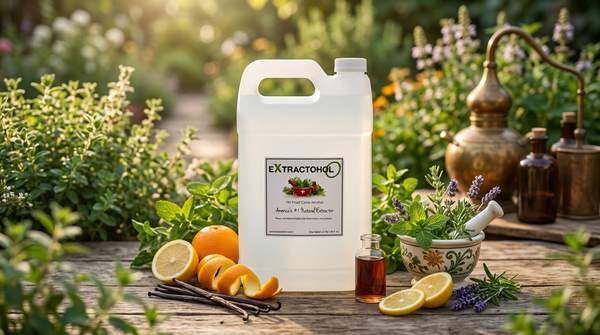
Extractohol supplies high-proof food-grade ethyl alcohol for botanical extraction, oils, tinctures, and concentrates. Its 200-proof grain alcohol gives makers an identifiable ethanol product to consider when an established extraction process calls for anhydrous alcohol, offering an alternative to methods built around butane or carbon dioxide.
Three Extraction Methods, Different Requirements
Ethanol, butane, and carbon dioxide can all play roles in botanical extraction, but they operate under different conditions. The selected method influences the equipment needed, the types of compounds extracted, and how the resulting preparation must be processed.
Ethanol is a liquid solvent used in various botanical extraction methods. It can dissolve a range of plant constituents, with the final extract depending on the botanical material and the alcohol concentration used.
Butane is a hydrocarbon solvent associated with specialized extraction systems. Its flammability and vapor behavior create significant equipment and safety requirements, particularly where solvent containment and recovery are involved.
Supercritical carbon dioxide extraction uses CO₂ under controlled pressure and temperature conditions. It can offer different selectivity characteristics from liquid ethanol, but requires equipment designed to operate under those conditions.
These differences give makers a more useful comparison than asking which solvent is strongest. The better question is which established extraction method fits the intended botanical product and the operation equipped to produce it.
What Ethanol Brings to Botanical Extraction
Ethanol has a useful combination of solvent properties for botanical work. Depending on its concentration and the plant material, it can extract a variety of compounds, including certain aromatic constituents, phenolics, and other plant substances.