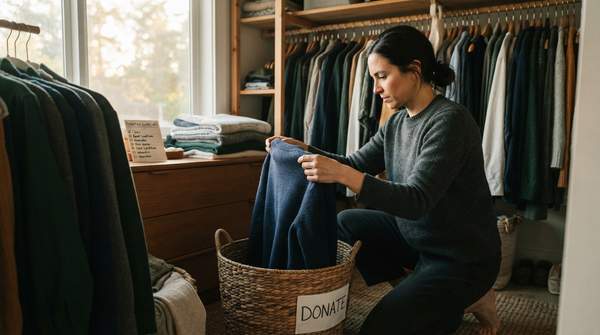
Before you load up the donation bags, know this: the vast majority of secondhand stores, including Goodwill, will not accept dirty or damaged clothes. That's the single biggest reason donations get turned away. Hayley Platt, PR manager at Goodwill Industries of the Columbia Willamette, and Martin Somoza, a marketing specialist at Buffalo Exchange, have spelled out the specific flaws and clothing categories that make an item a "no." The good news? You can catch almost all of these problems yourself, at home, with a quick inspection of each garment—and this guide walks you through exactly how.
Why Your Donations Matter (and Why They Get Rejected)
Donation centers aren't being picky for the fun of it. Platt says Goodwill's mission is to give donated items a second chance and keep them out of landfills. But that mission only works if items can actually be resold—and even frugal buyers, as she notes, are quick to forgo dirty or damaged goods. A store can't keep clothing out of the landfill if shoppers won't take it home.
That's why condition matters so much. Damaged clothes, including ripped items, are generally not accepted by charity shops and may end up thrown away. When unsellable items are donated, they add a burden to the volunteers and employees who have to sort and dispose of them. In other words, a bag of stained, torn clothing doesn't just get rejected—it creates work that pulls time away from processing the good donations sitting behind it in the queue.
There's a useful mental shift here. Instead of asking "can I get rid of this?" ask "would someone buy this off a rack?" That's the standard the stores themselves are applying. Somoza puts it plainly: anything Buffalo Exchange accepts "needs to be clean and in excellent condition." Excellent condition is a high bar, but it's a bar you can measure yourself before you ever leave the house.