When a restaurant rolls out a pumpkin menu in October or a prix-fixe deal during a slow February, it isn't just festive whimsy. It's a business responding to predictable swings in demand. Industry guides describe a consistent playbook: seasonal menus, themed events, dynamic pricing, and local partnerships, each deployed to match whatever the calendar is doing to the dining room. Once you can recognize those moves, you can read a seasonal special the way you'd read a wine list—knowing what's genuinely crafted, what's a bargain, and what's just a costume.
The Four Seasons of Restaurant Demand
Restaurant-industry writers who advise operators tend to sort seasonal demand into four patterns, and each one produces different behavior you'll notice as a diner. Tableo, a restaurant reservation platform whose guidance is written by Tamara Naudi, summarizes them as peak, off-peak, shoulder, and unexpected disruption periods.
Peak seasons bring high customer volumes—festivals, holidays, tourist surges—and strain staffing and inventory, so restaurants respond by adding staff and pushing advance bookings. Off-peak seasons are the slow stretches, where excess labor and food waste become the problem; operators cut staff and adjust menus, which is when discounts and special events tend to appear. Shoulder seasons are the erratic in-between, managed with flexible scheduling and dynamic pricing. And disruption periods—sudden, unforeseen events—call for contingency planning.
The financial logic behind all this is straightforward, as Rebeca Bichachi explains in NetSuite's guidance on seasonal fluctuations: demand shifts are triggered by weather, holidays, tourism, and local events, and anticipating them can turn a slow month from a loss into an opportunity. For you, that means the best deals and the most inventive menus often arrive exactly when the restaurant is hungry for your reservation.
Menu Adaptation: Ingredient-Driven vs. Theme-Based
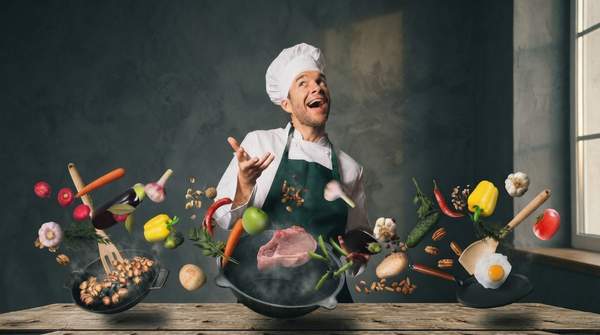
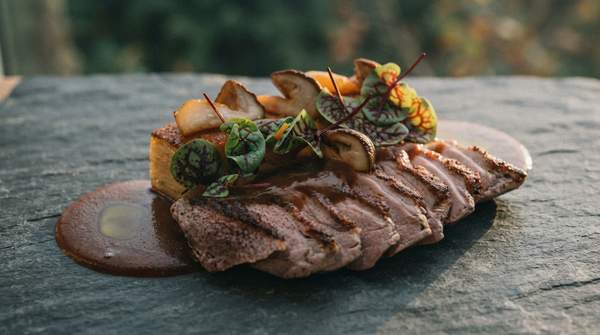
Seasonal menus come in two flavors, and the difference matters. Some restaurants change dishes because the ingredients themselves change—regional produce, local specialties, whatever the harvest or the fishing season is doing. Others change décor and drink names while the kitchen carries on largely as before.
You can see the theme-based end of the spectrum clearly in seasonal coverage: 303 Magazine's Sophia Candle, surveying Denver's Halloween pop-ups, describes offerings like a "Full Moon Harvest" cocktail of bourbon, amaretto, and pumpkin syrup, and notes that some venues are "a seasonal cocktail stop rather than a full immersive pop-up—a useful choice when you want a festive drink without building the entire evening around a themed experience." That's a fair description of the whole category: a themed drink or dish can be delightful without being a culinary event.
The distinction isn't snobbery—it's information. A menu built around what's actually available locally tends to be shorter, changes more often, and reflects a kitchen responding to its region. A menu built around a holiday tends to be longer-lived, more uniform, and easier to replicate. Both can be worth your money; they just deliver different things.