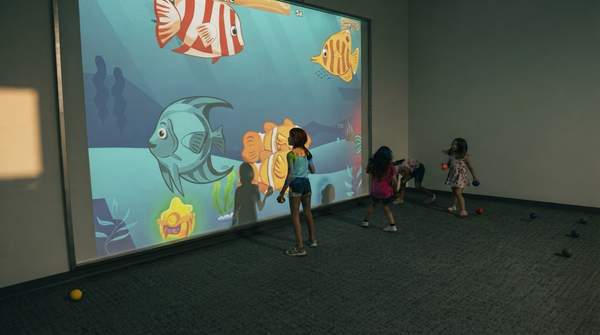
Local art museums and cultural institutions do far more than hang art on walls. Across the country, they run talks, tours, workshops, after-hours socials, and online learning sessions designed to pull their communities inside. Pérez Art Museum Miami schedules evening events and artist conversations; the Frost Art Museum hosts a monthly after-hours forum; ArtSouth teaches painting to senior adults and runs summer camps for kids. The result is a landscape of programs that almost any reader—adult, parent, or senior—can match to their own interests.
Beyond Exhibitions: The Role of Cultural Institutions in Community Engagement
Community engagement is the work cultural institutions do to make art something people do, not just something they see. Oolite Arts describes its own mission in these terms: the organization "creates opportunities for experimentation and innovation, and encourages the exchange of ideas across diverse cultures through residencies, exhibitions, public programs, education and outreach," and says it "strives to empower artists and enrich communities."
That enrichment takes concrete forms. ArtSouth, a community arts organization in Miami-Dade, describes building "collaborative neighborhood connections that encourage public participation" through seasonal visual arts workshops held at the historic Thalatta Estate in Palmetto Bay. The organization notes that revenue from those public workshops supports programs for families and children who lack access to the arts because of economic constraints—meaning a casual painting session can fund access for others.
Engagement also happens through structured access. MOCA, the Museum of Contemporary Art North Miami, offers group tours tailored for all audiences from Wednesday through Sunday, plus free public tours every Saturday, so visitors can explore current exhibitions with knowledgeable staff rather than wandering alone.
Goals of Community Engagement: From Passive Viewers to Active Participants
Why do institutions invest in all this? The stated goals cluster around participation and exchange. The Frost Art Museum frames its monthly Tertulia Nights as a program that "promotes an exchange of ideas and dynamic modes of creation and amplifies new voices, inviting local artists, scholars, and changemakers interested in engaging with the community in innovative ways." That is engagement in its purest form: the museum becomes a stage for community members themselves.
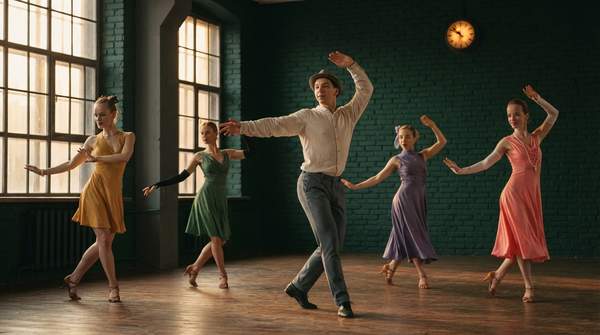
Participation can also be physical. At a March 2026 Tertulia Nights session, composer Diego Melgar and guest artist Smita Sen led a communal improvisation workshop "rooted in movement and music," where participants "will explore memory, connection, and personal expression through shared, embodied practice." Visitors were not observing art; they were making it with their bodies.
The same logic runs through smaller organizations. Azgour Art Group, a San Francisco-based art community, offers a Community Forum, mentorship consultations, online sessions, and in-person education alongside studio practice groups—structures that turn a solitary pursuit into a shared one. Oolite Arts pairs its public programs with classes, such as a four-week human figure drawing course, so community members can move from appreciation into skill-building.
Categorizing Community Programs by Type and Audience
Looking across these institutions, their offerings fall into a few recognizable categories. Some are social occasions built around gallery access; some are hands-on workshops aimed at specific age groups; some are talks and tours for people who want ideas, not just images. The table below sorts the named programs from these institutions by format and audience so you can see the landscape at a glance.
Comparative Overview of Community Engagement Programs
Use this table to match your interest—intellectual discussion, hands-on making, or an evening out—to a program type, then note which institutions offer it for your demographic.
| Program Type | Target Audience | Example Activities | Example Institution(s) |
|---|---|---|---|
| Regular Social Events | Adults (18+ for some) | Evening gallery access with drinks and snacks; Thursday-night museum visits | Frost Art Museum (Frost After Dark, first Wednesday monthly, ages 18+); Pérez Art Museum Miami (Thursdays At PAMM) |
| Educational Talks & Discussions | Adults and the general public | Talks with artists, experts, and community leaders; local artists discussing works on view; scholarly talks on cultural heritage | PAMM (Conversations; Local Views); Frost Art Museum (Tertulia Nights, second Thursday monthly, free and open to the public) |
| Hands-on Workshops | Seniors, children, adults | Painting, drawing, and mixed-media classes; movement and music improvisation; figure drawing courses | ArtSouth (age-friendly senior classes); Frost Art Museum (movement workshops within Tertulia Nights); Oolite Arts (Human Figure Drawing course) |
| Tours | All audiences | Group tours of current exhibitions with staff guidance; free weekly public tours | MOCA (group tours Wednesday–Sunday; Public Tours every Saturday) |
| Youth & Family Programs | Children ages 4–17 and families | After-school, summer camp, school-holiday, and weekend workshops; seasonal community painting workshops | ArtSouth (Creative Arts Summer Camp for ages 6–15; holiday workshops at Thalatta Estate) |
| Community Forums & Online Education | Artists and the general public | Community forums, mentorship, online sessions, and in-person education | Azgour Art Group; Oolite Arts (public programs, education and outreach) |
One pattern worth noticing: the same series can serve multiple formats. Tertulia Nights has hosted a moderated artist discussion, a movement workshop, and a scholarly talk on Afro-Atlantic beadwork traditions—so a single monthly program can satisfy very different interests depending on the evening.
Finding Your Fit: Programs for Diverse Interests and Demographics
Adults who want an evening out have clear options. Thursdays At PAMM turns the museum into a Thursday-night destination, while Frost After Dark keeps the Frost Art Museum's galleries open extra hours on the first Wednesday of each month, with a café next door for refreshments—though it is recommended for ages 18 and older.
If ideas are your thing, look for talk series. PAMM's Conversations features "artists, industry experts, and community leaders," while its Local Views invites a select group of local artists to speak about three to five works currently on view. At the Frost Art Museum, a May 2026 Tertulia Nights featured Martin Tsang, whose talk examined Cuban Lucumí beadwork as ritual practice—scholarship made public, with capacity limited but walk-ins accommodated based on availability.
Seniors have dedicated paths. ArtSouth offers age-friendly visual arts classes in painting, drawing, and mixed media designed to help senior adults "remain artistically active regardless of skill level or experience." Families can choose from ArtSouth's after-school and weekend workshops for children ages 4–17, its multidisciplinary summer camp for ages 6–15, and its public holiday painting workshops. And if you prefer learning from home, Azgour Art Group's online sessions and forums offer a remote route in.
Engaging with Your Local Cultural Institutions
Readers should explore the diverse range of educational and outreach programs offered by local cultural institutions to find opportunities for active participation and community connection. The decision framework is simple: pick your format—social evening, talk, tour, or workshop—then check the institution's current offerings for your demographic. The measurable indicator of success is increased attendance and positive feedback for programs that successfully transform passive viewers into active participants, as indicated by program descriptions and community engagement reports. Schedules, registration, and pricing details change, so confirm them directly with each institution before you go.